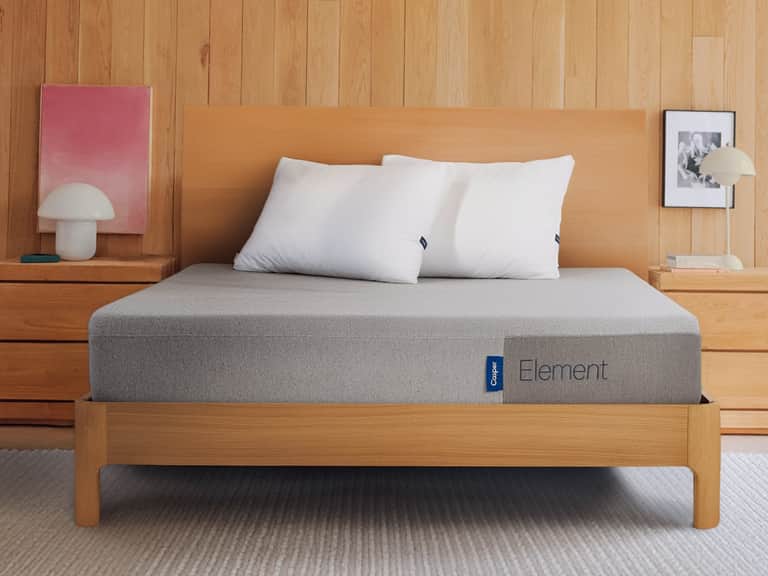
Foam mattresses are crafted to provide contouring support and pressure relief, making them a common choice for varied sleeping preferences. They often employ layers of polyurethane or memory foam to balance comfort with spinal alignment. In educational contexts, foam construction is valued for its consistent feel, motion isolation, and ability to adapt to different body weights and sleeping positions.
For propermattress.com, the Foam Mattresses category highlights two notable models: the Original Mattress and the Element Mattress. Both utilize layered foam systems to achieve targeted support zones, respond to movement, and maintain durability. Understanding their distinct foaming profiles helps readers select a model aligned with personal comfort and sleeping needs.
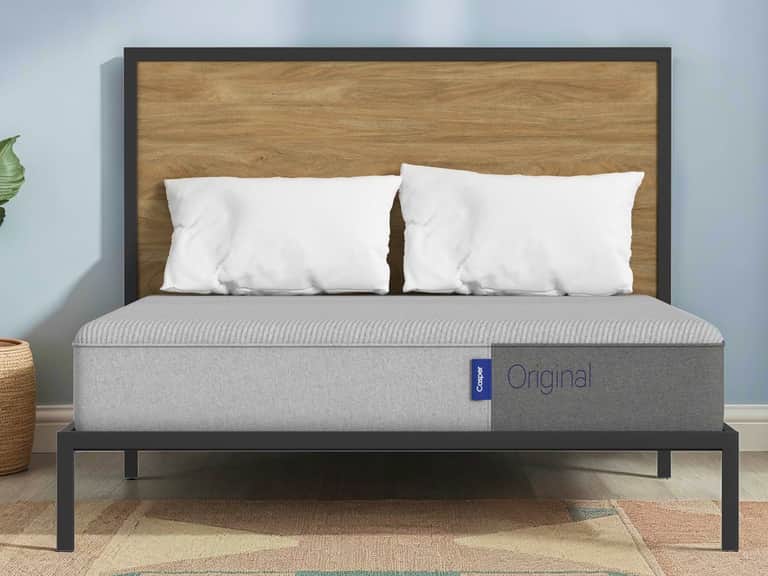
The Original Mattress emphasizes balanced conforming and pressure relief across the shoulders, hips, and lower back, aided by a medium to medium-firm feel. Its foam composition supports proper spinal alignment while reducing motion transfer, which is beneficial for individuals sharing a bed or those prone to tossing during sleep.
The Element Mattress focuses on a responsive top layer that transitions into supportive core foam, enhancing ease of movement and overall stability. This design can accommodate varying sleeping positions, including back and side sleeping, by distributing weight evenly and reducing localized pressure points over the night.
Key features across these foam options include open-cell structures for breathability, resilience for longer-term performance, and removable covers for cleaning. When considering bedding choices, it's important to weigh foam density, cooling characteristics, and compatibility with pillows, sheets, and organic mattress options within the broader bedding ecosystem.
 Mattresses