Comparing Organic Mattresses: A Practical Guide to Choosing Between Naturepedic and Vispring
A thoughtful, evidence-informed look at two prominent organic mattress options, exploring materials, construction, and comfort profiles to help readers decide without sales pressure.
In the quiet cadence of a good night’s sleep, the mattress beneath you is more than a surface; it is a partner in rest. As consumers increasingly seek organic, chemical-free sleep environments, the field has diversified beyond conventional innerspring to embrace natural materials, ethical sourcing, and meticulous craftsmanship. This guide turns a careful eye toward two distinguished contenders in the organic space: Naturepedic and Vispring. We compare core materials, construction philosophies, and comfort profiles, while anchoring the discussion in practical decision-making heuristics that apply to most sleepers—whether you’re a back sleeper in a dawn-washed city apartment or a side-sleeper navigating a petite dorm room.
Beyond the technical specs, the conversation about organic mattresses intersects with ideas about health, environmental stewardship, and personal well-being. We consider certifications, sustainability claims, and user experiences to illuminate what actually matters when selecting a bed that aligns with values and sleep needs. This article draws on product details, expert perspectives, and the lived realities of sleepers across timelines—from historical innovations to modern iterations—without pressuring readers toward a purchase.
Foundational Context: What Makes a Mattress Organic?
“Organic” on a mattress label can refer to certified materials, processes that avoid synthetic chemicals, and manufacturing practices that minimize environmental impact. In practice, an organic mattress often emphasizes natural latex, organic cotton or wool, and wool blends, with certifications such as GOTS (Global Organic Textile Standard) for textiles and GOLS (Global Organic Latex Standard) for latex components. The goal is to reduce chemical exposure, enhance breathability, and promote sustainable durability.
Two brands frequently cited in organic circles—Naturepedic and Vispring—arrive at the topic through distinct pathways. Naturepedic has long championed organic cotton, non-toxic fire barriers, and waterproof surfaces that maintain a clean, chemical-free sleep environment. Vispring, rooted in traditional craftsmanship, emphasizes natural materials such as wool, cotton, flax, and sustainably sourced latex, crafted in a manner that honors artisanal technique while pursuing a luxurious, timeless comfort.
Material Foundations: What Are These Mattresses Made Of?
The material choices in organic mattresses often directly influence comfort, climate regulation, and durability. Here, we contrast the core components of Naturepedic and Vispring offerings that frequently surface in consumer comparisons.
- Naturepedic typically features organic cotton covers, non-toxic fire barriers, and a range of internal constructions that may include organic wool or latex, with a focus on chemical-free materials and easy-to-clean surfaces. For crib and child-oriented products, Naturepedic’s commitment to safety and transparency is well documented, appealing to families seeking a high-trust sleep environment.
- Vispring draws strength from its traditional hand-crafted approach, using natural materials such as wool, cotton, horsehair, flax, and occasional latex. Vispring beds emphasize tufted, pocketed springs paired with sumptuous natural fillings, creating a sense of enduring support and bespoke feel that many associate with luxury and longevity.
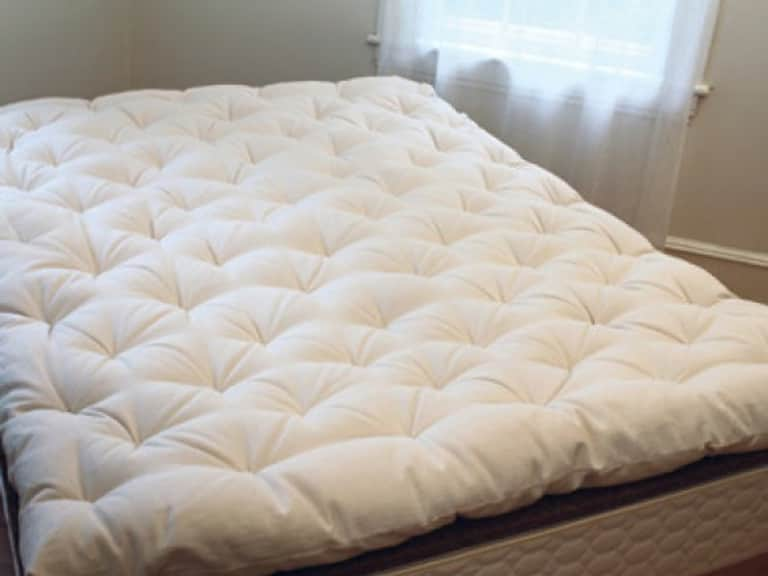
In practical terms, readers should note that organic does not mean identical across brands. The feel, temperature regulation, and durability depend on the specific blend of materials, the density of fills, the depth of the mattress, and the way springs are arranged or layered. The Savvy Rest Pastoral Wool Mattress offers a relevant real-world touchpoint for another latex-free, natural-fiber option, illustrating how wool batting and a tufted organic cotton cover can deliver breathable comfort without synthetic components.
Construction Philosophies: How Each Brand Builds Comfort
Naturepedic tends to emphasize modular, safer constructions with straightforward layering and a focus on cleanable surfaces. In contrast, Vispring embodies an artisanal, multi-layered approach—often with individually hand-tufted springs and carefully balanced natural fillings designed to create a cradle-like support. These divergent methods reflect broader questions: Is the priority edge-to-edge support and a crisp innerspring feel, or a plush, enveloping response with a taller profile and rich materials?
To illuminate the practical implications, consider a few decision criteria sleepers often use:
- Firmness and support alignment relative to sleep position.
- Breathability and temperature neutrality across seasons.
- Durability, including the tendency of natural fibers to settle and how tufting or spring systems hold up over time.
- Certifications, safety standards, and the transparency of materials origins.
Naturepedic’s approach can yield a brisk, supportive feel with dependable edge support and a hygienic surface, especially appealing to families and sleepers with chemical sensitivities. Vispring’s traditional, layered construction can deliver a luxurious, adaptive feel—soft where needed yet resilient—often preferred by those seeking a premium, long-lasting mattress. The contrast is not simply a matter of feel; it is a reflection of design philosophy, manufacturing ethos, and long-term expectations.
Comfort Profiles: How Do They Sleep?
Comfort is the aggregate of support, contour, temperature, and motion isolation. Organic brands have different tools to tune these facets. Naturepedic’s emphasis on clean, non-toxic materials often translates to a crisper feel with reliable support, particularly in models that avoid synthetic foams. Vispring, meanwhile, pursues a more traditional contour with natural fillings that adapt to pressure points while maintaining airflow through the wool and cotton layers.
For readers evaluating comfort, consider the following scenarios:
- Back sleepers who crave stable spinal alignment across the night.
- Side sleepers who need good pressure relief without excessive sink.
- Combination sleepers who require responsive surfaces to transition between positions.
In a practical sense, Naturepedic’s organic models often deliver a balanced, medium to medium-firm feel with dependable durability. Vispring’s offerings may skew toward a more luxurious, molded bounce with pronounced contouring, particularly in higher-end hybrids and spring-based constructions. Both brands aim to deliver breathability; cotton and wool are natural regulators, though the exact degree of heat dissipation will vary with density and layer arrangement.
Practical Decision Aids: How to Choose Without the Sales Pressure
Choosing an organic mattress is ultimately about aligning material ethics with personal comfort needs. A practical framework can help readers navigate decisions confidently.
- Sleep profile first: Identify your primary sleep position and typical pressure points. Use this to anticipate whether you need more contouring or firmer support.
- Material priorities: If you have latex sensitivities, ensure the chosen model uses latex-free construction or a certified alternative like wool or cotton-filled layers.
- Temperature considerations: Wool and cotton layers generally favor breathability. Avoid dense foams if you run hot.
- Certifications and transparency: Look for GOTS, GOLS, and third-party testing disclosures. Transparent ingredient lists are a strong indicator of trustworthiness.
- Budget and longevity: Premium materials command higher upfront costs. Consider the total cost of ownership, including potential durability and the mattress’s expected lifespan.
For readers seeking a tangible reference point, the Savvy Rest Pastoral Wool Mattress demonstrates how a latex-free, wool-filled design can offer breathable comfort. While not identical to Naturepedic or Vispring, it exemplifies how natural fillings can deliver temperature regulation and supportive contour without synthetic components. The Pastoral’s 4.5-inch profile is a reminder that organic mattresses come in a spectrum of heights and firmness levels, each with its own practical implications for setup, foundation compatibility, and room fit.
Market Realities: Certifications, Sustainability, and the Consumer’s Voice
As eco-conscious bedding options proliferate, certification programs and sustainability narratives have gained prominence. Consumers increasingly want assurances that a mattress lives up to its organic claims, with independent verification playing a pivotal role in trust-building. Naturepedic’s industry footprint and transparent materials lists align with a consumer emphasis on health and clarity. Vispring’s emphasis on natural fillings and craftsmanship resonates with buyers seeking a long-lasting, artisanal product that can justify a premium over time.
Remember that the organic label is not a single universal standard; it is a constellation of standards and practices across geographies and brands. When evaluating two brands—Naturepedic and Vispring—readers should compile a small checklist of certifications, material disclosures, and warranty terms. Consider visiting showrooms or ordering trial periods where available, and pose precise questions to retailers: What exact materials are used in each layer? Are there any blends or treatments to note? What is the expected lifespan, and what maintenance steps would extend it?
In a broader sense, these questions reflect a timeless tension in consumer culture: the pull between luxury and responsibility, immediacy and durability, hype and evidence. The evolving market for organic sleep products asks readers to weigh immediate comfort against longer-term implications for health, the environment, and personal values.
Three Key Figures Across Time: Perspectives on Sleep, Craft, and Ethics
To anchor the ongoing dialogue about organic mattresses in a human context, consider three influential figures from different epochs who shaped our understanding of rest, comfort, and design philosophy.
- Lord Kelvin (William Thomson) — 19th Century Engineering Ethic: A pioneer who championed rigorous standards and precise measurement, Kelvin’s insistence on quantifying physical phenomena echoes in today’s demand for clear material disclosures and performance data. In sleep science and mattress design, this spirit translates into demanding evidence about temperature regulation, durability, and firmness consistency over time.
- Marie Curie — Early 20th Century Pursuit of Safe Materials: Curie’s groundbreaking work with radiochemistry and emphasis on safety, purity, and careful experimentation serves as an ethical baseline for modern organic bedding. The idea that materials should be tested for risk, and that safety informs product design, is reflected in brands that pursue non-toxic barriers, low chemical burdens, and transparent ingredient lists.
- Nader Khalili — Contemporary Craft and Sustainability: An emblem of contemporary craftsmanship and sustainable materials, Khalili’s approach champions the marriage of artisanal technique with environmental responsibility. In the context of organic mattresses, this perspective champions brands that emphasize natural fillings, responsible sourcing, and long-lasting construction, aligning luxury with stewardship.
These figures illustrate how sleep-related products live at the intersection of science, ethics, and artistry. The modern consumer’s decision-making process is informed by this lineage: a commitment to safety and truth-telling, to materials that respect both people and the planet, and to designs that honor the tactile and supportive experience of sleep.
A Practical Quick-Start Guide: Questions to Ask and Quick Comparisons
When evaluating Naturepedic and Vispring, a practical approach is to assemble a short list of questions that reveal the core differences without pressuring a sale. Here are concise prompts to bring to retailers:
- What specific materials are used in the top, middle, and bottom layers? Are there natural alternatives to foams?
- What certifications cover textiles, fillings, and fire barriers? Can I see third-party test results?
- What is the expected lifespan, and what warranty terms apply? How does the brand handle comfort adjustments or returns?
- How does the mattress regulate temperature through seasonal changes? Are there washable or replaceable components?
- Is there a trial period, and what are the requirements for returning or exchanging?
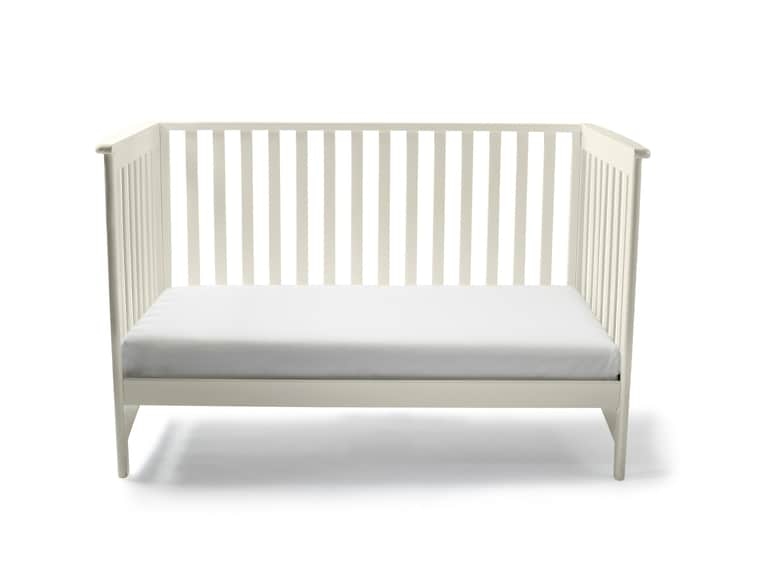
For readers seeking a more tangible touchpoint, the Naturepedic crib and organic mattress lines illustrate a commitment to child safety and simplicity that can inform adult choices about transparency and material purity. Meanwhile, Vispring’s classic collections remind shoppers that luxury can be anchored in natural materials with a long historical lineage of hand craftsmanship.
Conclusion: In Search of a Sleep that Aligns with Values and Comfort
Choosing between Naturepedic and Vispring is less about declaring one brand superior and more about aligning a mattress with personal priorities: safety and straightforward organic materials on one hand, or artisanal luxury and natural fill artistry on the other. Both brands contribute meaningful options to an increasingly conscientious sleep market. Readers who value clarity, safety, and a practical path to better rest may find Naturepedic particularly resonant, while those who prize timeless craft, sumptuous textures, and a lasting, high-end experience might gravitate toward Vispring.
As with all enduring decisions about health and home, the best choice rests on informed evaluation, honest questions, and a clear sense of how a mattress will support not just a single season but the years ahead. In the end, proper rest is a personal standard, and the right organic mattress should feel less like a hinge and more like a sanctuary—quiet, enduring, and true to your own vision of well-being.
Product Spotlight: Savvy Rest Pastoral Wool Mattress
The Savvy Rest Pastoral Organic Wool Mattress stands as a compelling reference point for latex-free, natural-fiber design. Filled with GOTS-certified organic wool batting and encased in a tufted organic cotton cover, it offers a breathable, temperature-regulating sleep surface without synthetic materials. The wool’s moisture-wicking properties help maintain a cooler, drier environment—a feature many organic enthusiasts prioritize when choosing a bed that aligns with an eco-conscious lifestyle.
Profile height varies by size, with the 4.5-inch option offering a compact, versatile option suitable for futon use or platforms that require a slimmer footprint. The mattress exemplifies how natural fillings can deliver supportive comfort while maintaining a chemical-free sleeping experience.
- Brand: Savvy Rest
- Material emphasis: Organic wool batting, organic cotton cover
- Relaxed profile: Latex-free, breathable, temperature-regulating
- Weight/size guidance: Queen approximately 38 pounds; smaller sizes lighter
- Price (illustrative): $1,699.00
Note: Availability and exact specifications can vary by retailer. This spotlight serves as a contextual example of organic, natural-fill construction in the broader landscape of non-latex options.
Target keywords: organic mattresses, Naturepedic, Vispring, mattress comparison, sleep comfort, eco-friendly bedding
Published date: 2026-09-30
Further Reading and Resources
The following areas can help readers deepen understanding and make well-informed choices without feeling pressured to purchase:
- Foundational guides on mattress types, firmness scales, and sleep position associations.
- Glossaries of mattress terminology and material origins for confident brand comparisons.
- Case studies or expert roundups summarizing sleep research relevant to materials, climate regulation, and durability.
Note on Related Content and Editorial Policy
This article adopts a non-commercial, information-centric stance with a focus on clarity, credibility, and reader empowerment. Product mentions serve as illustrative anchors for discussing material science, design philosophies, and consumer decision-making. Readers should verify current product specifications and certifications directly with manufacturers or retailers, as details can evolve over time.