Blankets are a versatile layer of bedding that helps provide warmth and comfort during sleep or rest. Their weight, weave, and fiber content affect insulation, breathability, and how they feel against the skin. Choosing a blanket suited to room temperature and personal comfort can support a more practical, comfortable sleep environment.
Natural fibers such as wool can help regulate warmth by retaining insulating air while allowing moisture vapor to move away from the body. Blanket construction and thickness influence how warm a layer feels, while care instructions help preserve its texture and function. These characteristics are useful to consider alongside sheets and pillows when planning bedding.
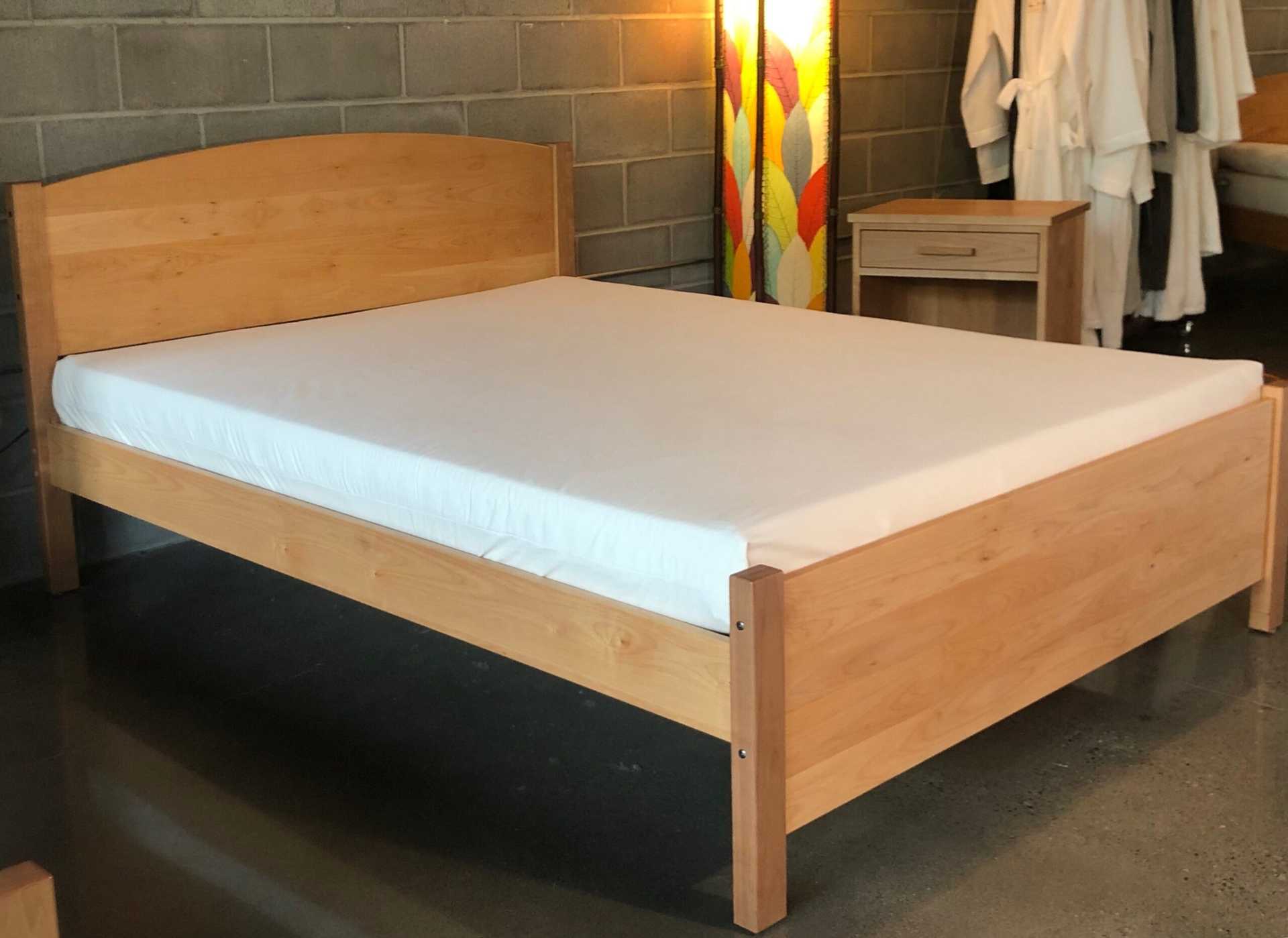
Blankets are distinct from mattresses, but each contributes to the overall sleep setup. The Natural Wool & Latex Mattress 6.5 Inch combines natural wool with latex in a compact mattress design. Wool provides a natural cushioning layer, while latex offers resilient support; the mattress serves as a sleep surface rather than a blanket.
When comparing bedding, consider how blankets coordinate with the sleep surface, sheets, and pillows, as well as the sleeper’s warmth preferences. Layering can make it easier to adjust insulation through changing seasons. Families researching organic mattresses or organic crib mattresses may also consider material composition, firmness, and age-appropriate sleep guidance.
Useful blanket features include breathable materials, suitable dimensions, manageable weight, and clear cleaning guidance. These details help determine whether a blanket is appropriate for everyday bed use, travel, or an extra layer in cooler conditions. Understanding how bedding components work together can make it easier to create a comfortable and functional sleep environment.
 Bedding