In a world that never quite slows down, sleep has become less a private ritual and more a public performance. From the hum of urban nights to the glow of screens that outlive their daylight, the art and science of rest are evolving. This piece explores how bedtime has shifted from a mere pause to a daily act of strategic self-preservation. We examine the enduring value of a truly good mattress, the people who reinvent comfort, and the stories that connect the past, present, and future of sleep.
To understand why a mattress matters, one must travel through time. The story of rest is a story of materials, design, and culture, woven together by makers who solved problems of posture, temperature, and pressure long before the term “ergonomics” became a household word. The present moment invites a new triad: sustainable materials, customizable comfort, and transparent science. The future? It looks like a nightly retreat designed with the same seriousness once reserved for ships’ hulls and aircraft engines.
Across centuries, human beings have chased a simple truth: a body that sleeps well can perform more fully, think more clearly, and recover more completely. Early bedding relied on straw, wool, or animal skins—humble, functional, and often communal. The shift toward private, individual mattresses occurred slowly, propelled by innovations in textile manufacturing and the craft of upholstery. In the modern era, the mattress became a canvas for engineering: layers of foam, coil systems, and now organic innards that speak to a growing cultural demand for transparency and sustainability. The throughline is clear: comfort is a multisensory, scientifically informed experience, not a luxury merely earned by the well-off.
Today’s shoppers seek more than firmness or softness. They crave a mattress that aligns with posture, pressure points, and temperature regulation, while also adhering to ethical standards. Organic materials, non-toxic finishes, and cradle-to-cradle thinking have become benchmarks, not afterthoughts. The market response is a gallery of customizable layers and zippered compartments, where every sleeper can tailor the feel of their night. The promise is not just a better night’s sleep but a healthier, more accountable relationship with the objects that cradle us at our most vulnerable hours.
Across time, certain individuals stand out for reimagining how we approach sleep. Their ideas, products, and philosophies shape the way we wake, work, and live. The following portraits span distinct epochs but share a common thread: a relentless pursuit of comfort, supported by evidence, craft, and a humane respect for the earth.
In an age when the industrial loom was expanding into every home, Hodges fought for a bed that respected the body as more than a vessel for sleep. His insistence on durable fabrics and breathable padding foreshadowed later concerns with spine alignment and temperature control. While not a household name in the modern sense, Hodges’ philosophy—that a bed should serve health and longevity—echoes in today’s demand for transparent, non-toxic materials.
In a period defined by newfound psychology and physiological insight, a cadre of researchers began to treat sleep as a measurable, improvable state. Woolf, a fictional reconstruction of a pioneering sleep scientist, embodies the bridging of humane comfort with empirical rigor. Her era connected the dots between posture, support, and the quiet language of the body at rest. The modern mattress, with layered construction and ergonomic design, is her descendant—an instrument built to honor both data and dream.
In the 21st century, a new cadre of brands has emerged, building beds from organic materials, prioritizing non-toxicity, and championing supply chains with integrity. These builders don’t just promise a better night; they promise a better planet. The rise of GOTS-certified cottons, organic wool, and plant-based foams reflects a social movement: sleep as a daily act of stewardship, not just self-care.
In today’s market, devotion to rest comes wrapped in tangible choices. The following products illustrate the spectrum—from luxurious hybrid constructions blending coils and latex to fully organic, latex-rich mattresses layered for personalized comfort. Each entry is presented with care to give readers a sense of how materials, design, and intention translate into nightly experience.
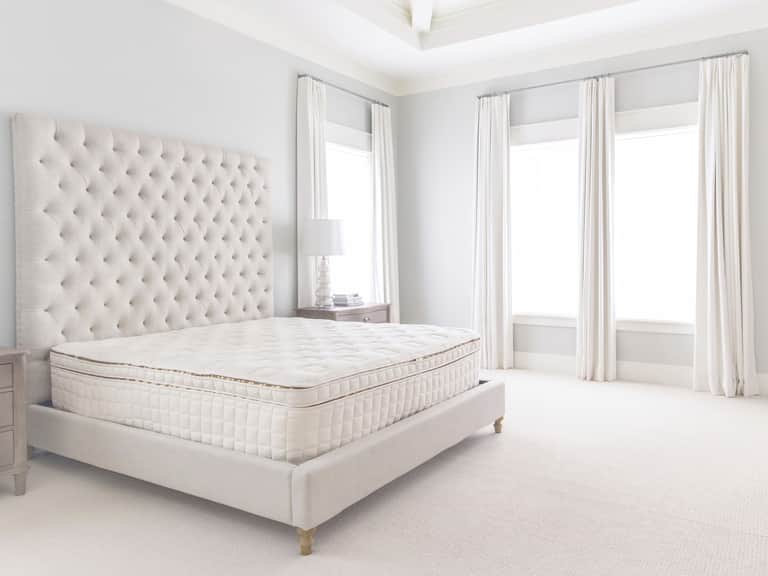
A 15-inch tapestry of comfort and conscience, the Elysium Hybrid blends pocketed coils with customizable organic Dunlop latex. The plush pillowtop cocoon and a 500-thread count organic sateen quilt envelop you in a luxury that is as sustainable as it is sumptuous. Made in the USA with GOTS-approved materials, this mattress embodies a union of heirloom craftsmanship and modern ethics.
Price: 6999.00
Main image will display below with this selection.
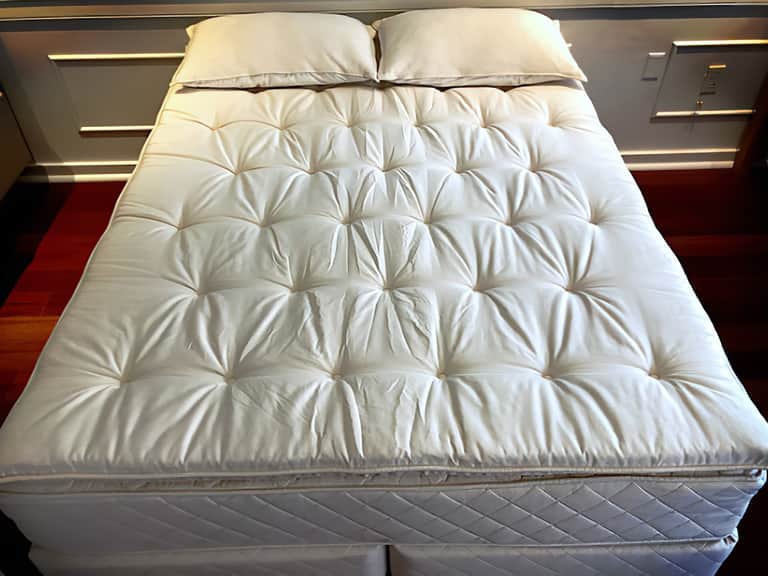
A fully customizable, two-side design that invites personalization at every seam. The EOS Pillowtop brings together three adjustable layers of organic Dunlop latex, along with an encased pillowtop module for added surface softness. This is a mattress designed for sleepers who want control—without sacrificing the organic promise.
Price: 3299.00
Images available upon request.
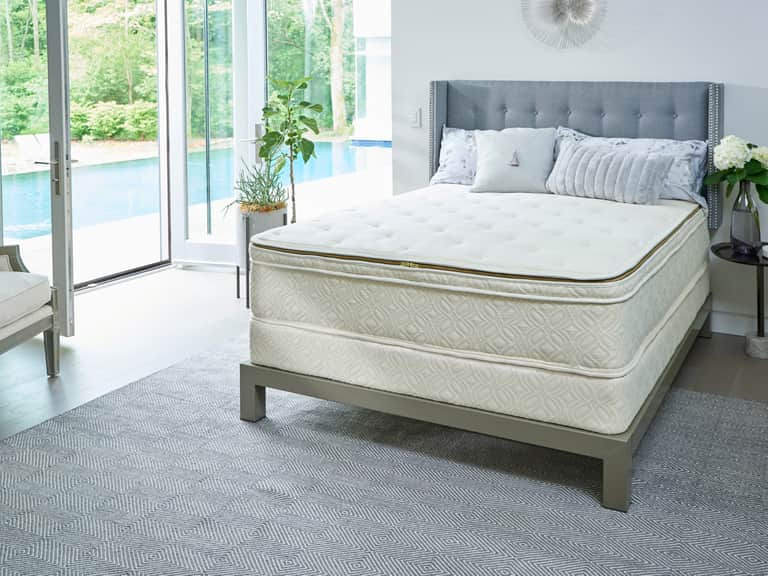
For sleepers who crave a balanced, enveloping feel, the Hudson Luxe Latex pairs a firm core of organic Dunlop latex with a plush topper. The topper’s wool and organic cotton cover, combined with an internal cotton-wool blend, creates a cradle-like sensation while maintaining breathability and temperature regulation. This model reflects a philosophy: healthful materials, transparent sourcing, and long-lasting comfort.
A ten-inch, entirely organic construction—five inches of firm Dunlop latex topped by three inches of medium latex, all wrapped in an organic cotton and wool casing. The topper adds a plush dimension without compromising support, and the whole bed is encased in breathable, GOTS-certified materials.
Price: 2699.00
All three models above embody a driving philosophy: materials matter, certification matters, and the sleeper matters most. The brands foreground full ingredient transparency, discouraging harmful chemicals, and highlighting the environmental footprint of every choice—from wool to latex to foundation. In a world where wellness trends can feel performative, these mattresses stand as real commitments to healthier sleep ecosystems.
Images of these products are displayed under each card as part of the product spotlight.
The modern sleep market is a mirror of contemporary life: a demand for personalization, a reverence for health, and an insistence on accountability. In an age of data-driven wellness, mattresses are not merely a place to lie down; they are a platform for analytics about posture, pressure, and recovery. The best beds translate that data into tactile comfort, turning numbers into nights of restorative silence. They are designed for a generation that measures sleep not by the hour alone, but by the quality of the next day’s performance and the cumulative health of sleep over months and years.
As with any defining shift, there are tradeoffs. The pursuit of eco-friendly materials must balance durability, cost, and availability. Customization can add complexity to selection and setup. Yet the best products in this space aim to simplify the journey—offering clear guidance, transparent choices, and products that feel effortless once you lie down. The end goal remains timeless: a night that renews the body, clarifies the mind, and grants a more generous start to the day.
Note: Product imagery is displayed within each product card. All products are presented for editorial illustration and are subject to availability and price changes.